
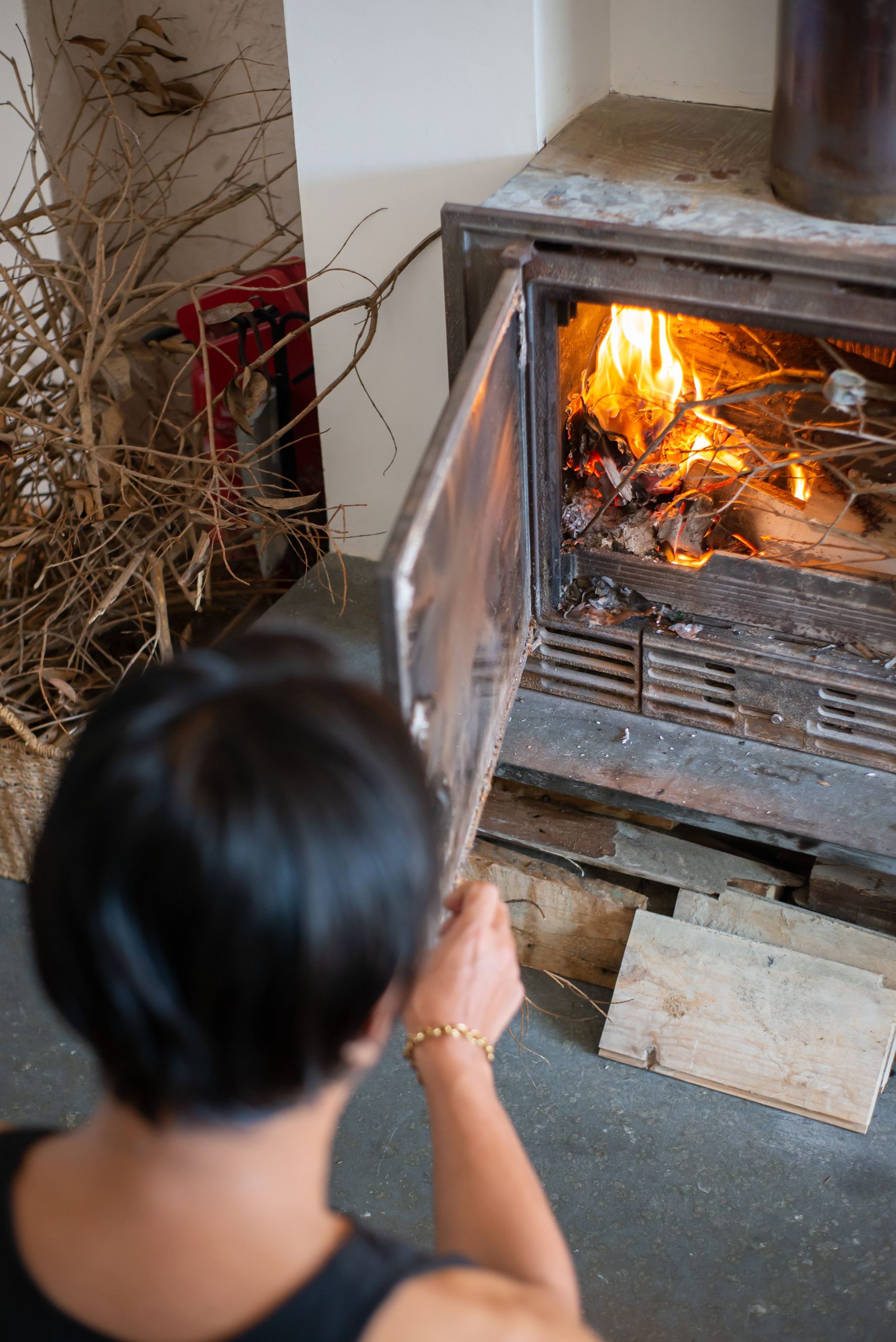
With the start of the heating season, it is important for residents not to forget one of the silent dangers in the house - carbon monoxide (CO), also known as smalki. These gases are colorless, odorless and tasteless, so a person cannot see them without a special detector. CO can be formed due to improper operation or use of heating devices, furnaces, fireplaces, gas boilers, as well as due to insufficient ventilation.
The danger of smalki is that a person does not feel it. It is possible to be in a room where the concentration of carbon monoxide increases, and not to know about the dangers until the symptoms of poisoning begin to appear. Therefore, it is very important to take care of technically sound heating devices, proper ventilation and install carbon monoxide detectors, the emergency medical service reminds.
CO - Invisible Danger
Inhaled carbon monoxide enters the bloodstream and prevents the body from supplying oxygen. High concentrations of CO can cause loss of consciousness, severe health problems, and even death.
The danger is especially high when heating devices are used improperly, there is not enough air circulation in the premises, there are clogged or damaged chimneys, and the ventilation system is not working properly. It is also dangerous to use devices that are not intended for use in closed spaces indoors.
It is important to remember that CO can be formed not only in residential premises. There is also a danger in garages or other closed spaces where the car's engine or fuel combustion devices are running.
Ventilating the premises is a must
During the heating season, it is necessary to regularly ventilate the premises and ensure proper air access to the room. It is especially important not to block the ventilation holes and not to use the heating devices in a way that their use is not intended.
Furnaces, fireplaces and other fuel incinerators must be regularly inspected and maintained. Chimneys should be cleaned and their condition should be evaluated by specialists. If you notice malfunctions of the device, an unusual smell, smoke entering the room or other signs that the heating system is not working properly, its use should be stopped and specialists should be consulted.
Smoke and CO detectors can save a life
To reduce the risk of fire in residential premises, it is necessary to have working smoke detectors. However, it is important to understand that a smoke detector and a carbon monoxide detector are not the same device. The smoke detector warns of smoke generated during a fire, and the CO detector warns of increased carbon monoxide concentrations.
Therefore, it is recommended to install carbon monoxide detectors in rooms where stoves, fireplaces, boilers or other fuel burning devices are used. Detectors must be installed and maintained according to the manufacturer's instructions, their operation should be checked regularly and the batteries should be replaced in time.
What are the signs of poison ivy?
The symptoms of CO poisoning can be various and initially resemble other ailments. The most common symptoms are headache, dizziness, weakness, nausea, vomiting, drowsiness, impaired coordination and confusion.
As the severity of poisoning increases, consciousness may be impaired, convulsions may begin, and a person may stop breathing normally. The situation when similar symptoms appear in several people in the same room at the same time is especially dangerous.
If people in the room suddenly feel sick, especially if the symptoms improve after going outside, it is necessary to suspect possible poisoning by smalki.
If you suspect that a person has been poisoned by carbon monoxide, take it out immediately or take it out into the fresh air, if it can be done safely, and call the emergency number 112.
If there may be accumulated fines in the room, it is necessary to take care of your safety first. Do not enter a contaminated room if this is in danger to you. If it's safe, open the windows and doors, but the most important thing is to get out of the dangerous environment as soon as possible.
112 Instruct the operator that carbon monoxide poisoning is suspected, how many people may have suffered and the exact address of the scene.
If a person is conscious, after taking him out into the fresh air, he should be calmed down and his condition should be monitored. An unconscious person should be laid down, ensure the patency of the airways and assess whether he is breathing. If the person is not breathing normally, it is necessary to immediately start resuscitation according to the instructions of the dispatcher and use an automatic external defibrillator (AED) if it is nearby and available.
Even if a person feels better after going out into the fresh air, the symptoms of poisoning should not be ignored - the effect of CO can be dangerous, so consultation and evaluation by medical specialists is necessary.
It is impossible to see or smell fines, but the danger they pose can be prevented. A neat heating system, proper ventilation, working detectors and knowing what to do in case of poisoning can save a life.
To call an ambulance, call the short number 112 or 113. You can find the contacts of the administration and departments by clicking on the link below.