
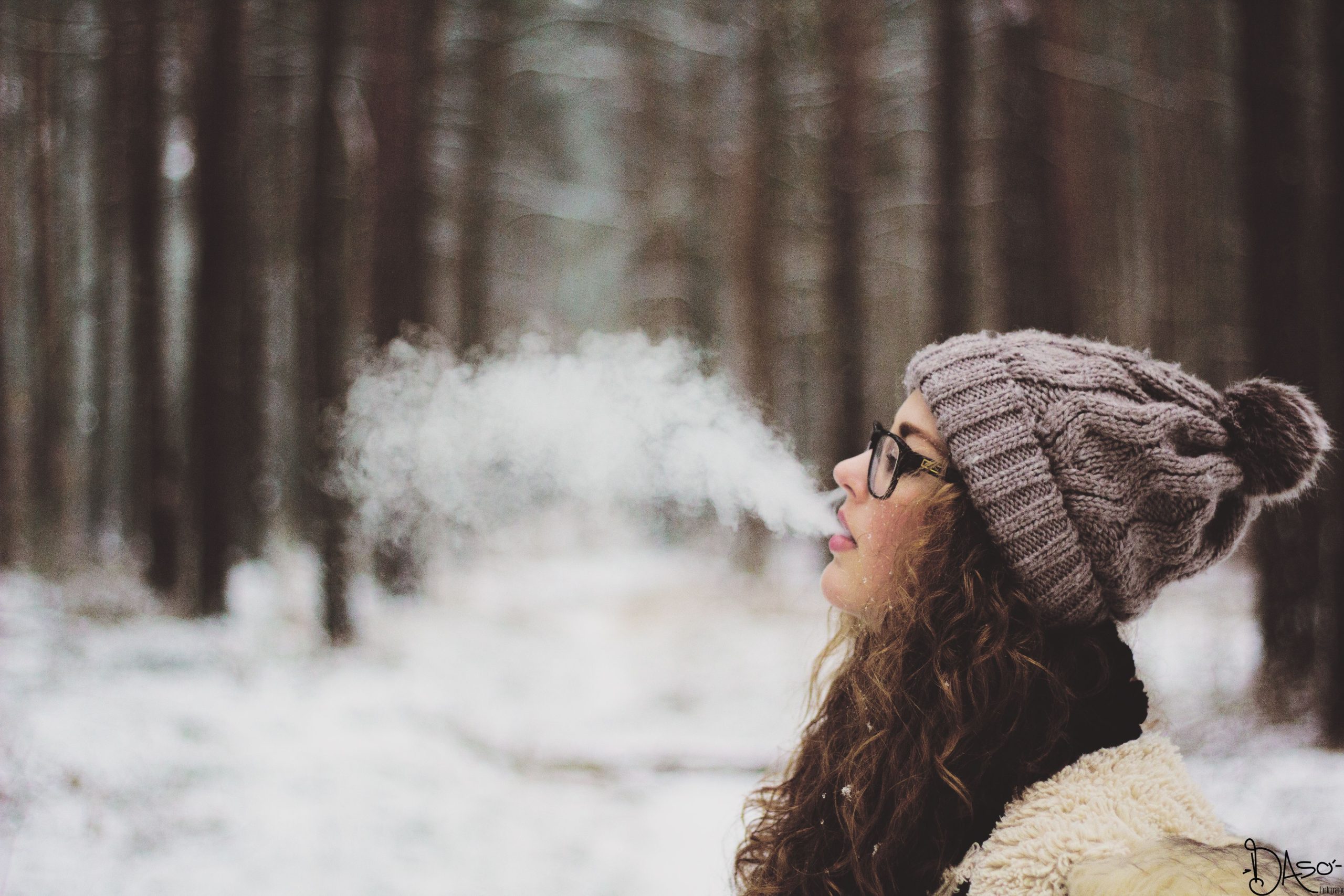
With the onset of colder weather, the risk of colds caused by cold increases. Prolonged exposure to the cold can cause hypothermia, a condition where the body temperature drops dangerously low. The cold can also damage individual parts of the body - causing frostbite.
The Emergency Medical Service urges residents to assess the risks posed by the cold, to properly prepare for being outside and not to ignore the first signals sent by the body. Timely help can prevent serious complications.
Hypothermia can begin unnoticed
Hypothermia develops when the body loses more heat than it can produce. This condition can be caused not only by very low air temperature. The risk increases with windy or humid weather, wet clothes, long outdoors or insufficient clothing.
The first signs of hypothermia are usually severe or involuntary tremors, a feeling of cold, pale and cold skin, fatigue, drowsiness, lethargy, slowed reactions. It may be difficult for a person to concentrate, speak, perform normal actions, movement coordination may be impaired.
It is important to note that severe tremors are the body's attempt to produce heat. However, as the condition worsens, the tremor may decrease or disappear completely. This is not a sign of improvement - on the contrary, it can mean that hypothermia is becoming severe.
Severe hypothermia can manifest as severe drowsiness, confusion, loss of consciousness, severely slowed breathing and pulse. Such a condition is life-threatening and requires immediate medical attention.
Who is most at risk?
Although anyone can suffer from the cold, the risk of hypothermia and frostbite is higher for certain groups of people.
Special attention should be paid to children and the elderly. Children's bodies lose heat faster, and older people may feel colder or not be able to warm up quickly enough due to limited mobility.
People who are outdoors for a long time, work outdoors, and do not have the opportunity to dress or warm up also pose a higher risk. The danger also increases when a person is tired, exhausted or wet.
Cold is especially dangerous for people under the influence of alcohol or other psychoactive substances. An intoxicated person may have a worse assessment of the ambient temperature, do not feel the danger of cold and do not notice his condition worsening.
First aid for suspected hypothermia
If you notice that a person is severely cold, the effect of the cold should be stopped first - take him to a warm, dry room or another place protected from the cold.
If the clothes are wet, they should be carefully removed and replaced with dry ones. A person can be covered with blankets or other warm clothes. Heating should be done gradually, first of all protecting the torso - chest, neck, head. It is important to avoid sudden and aggressive heating. Warm water plastic bottles and chemical packages can be used for heating.
If a person is conscious and can safely swallow, a warm, non-alcoholic drink can be given. Alcohol is not a suitable means of warming up - it can create a false feeling of warmth and worsen the body's ability to regulate body temperature.
If a person is confused, sleepy, loses consciousness, breathes unusually slowly or has other doubts about his condition, it is necessary to call the emergency number 112. When waiting for help, the person's condition should be monitored. If the person does not react and does not breathe normally, it is necessary to start resuscitation according to the instructions of the emergency dispatcher.
Frostbite - not just reddened skin
The cold can also affect individual parts of the body - usually the fingers, feet, nose, ears and cheeks. The frozen area may be pale, red, cold, numb or tingling at first. Later, the skin may become hard, stiff, swelling and blisters may appear.
If frostbite is suspected, the person should be taken to a warm room and wet clothes, jewelry and other items that can press on the affected area should be removed. The frostbitten area should be protected from additional cold and mechanical damage.
Do not rub the frozen area with snow, massage, stabbing the blisters or heat with direct heat, for example, near a radiator, stove or hot water. Such actions can further damage the tissues.
If the frostbite is greater, blisters appear, the skin becomes numb, darkens or the person experiences signs of hypothermia at the same time, it is necessary to consult a doctor. In case of a serious condition - call 112.
When you notice the first signs of hypothermia or frostbite, it is important to act immediately - stop the effects of the cold, start heating safely and, in a serious condition, call for emergency medical help.
To call an ambulance, call the short number 112 or 113. You can find the contacts of the administration and departments by clicking on the link below.