
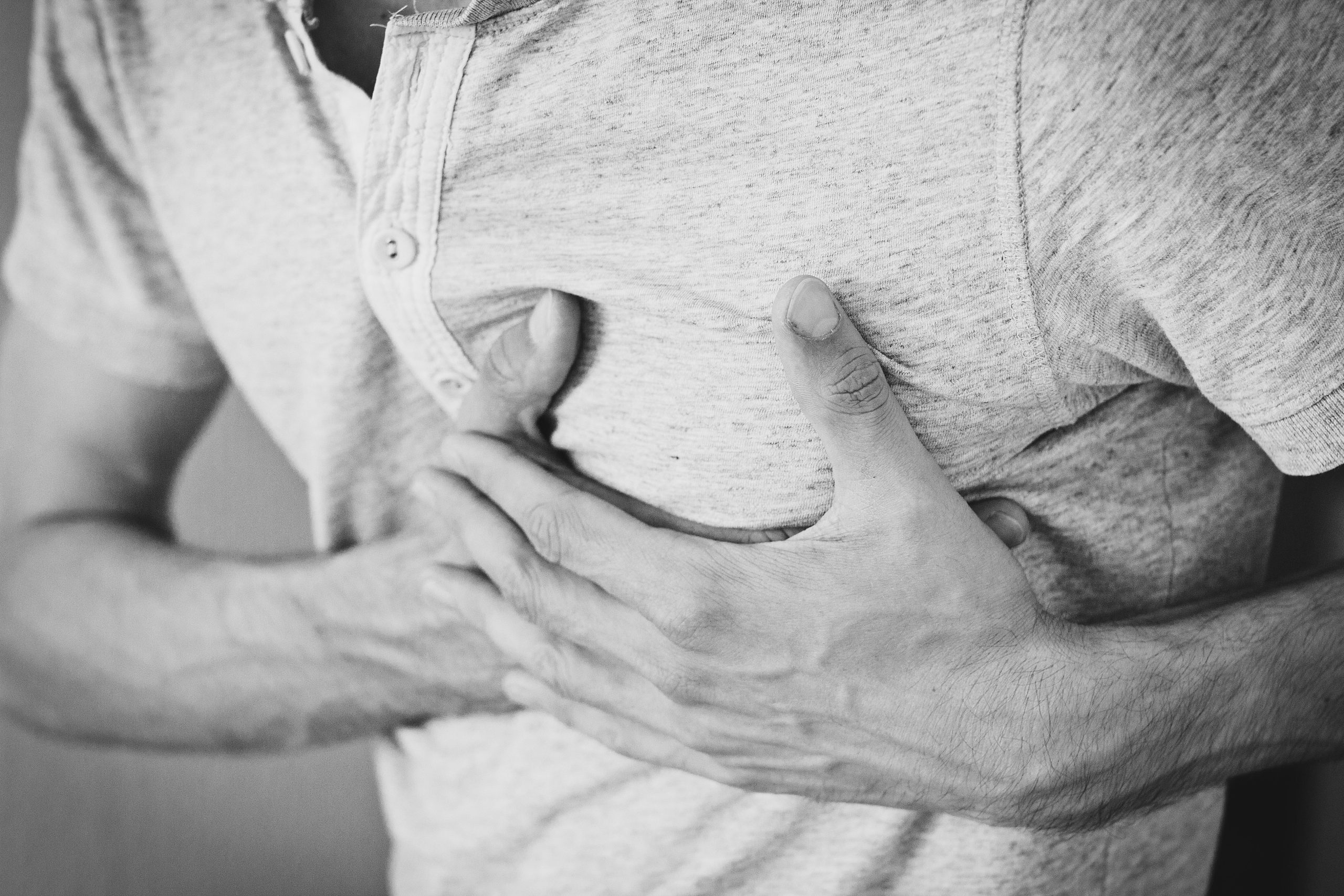
When the weather cools down, the load on the heart and blood vessels increases, and those who already have cardiovascular diseases may intensify their usual symptoms. The Emergency Medical Service (EMS) is urging residents not to delay help if they experience chest pain, sudden shortness of breath, or unexplained weakness. Such signs can warn of an acute, life-threatening condition.
Why is the cold dangerous for the heart?
In the cold season, the body tries to preserve heat, so the blood vessels narrow. As a result, blood pressure can increase and the heart has to work more intensively. If a person has coronary heart disease, high blood pressure or heart failure, such an additional load can provoke an exacerbation of symptoms.
The risk also increases when the cold is combined with physical exertion. Digging snow, carrying heavy objects, walking quickly against a strong wind or climbing a mountain can require more effort than a person is used to spending in everyday activities. In such situations, the heart needs more oxygen, but narrowed blood vessels can limit its supply to the heart muscle.
The cold can also make it difficult for people with heart failure to feel. When the heart is not able to pump blood properly, shortness of breath may increase, tolerance to physical exertion may decrease, and more fatigue may occur. However, these symptoms do not necessarily mean an exacerbation of heart disease - their cause must be evaluated by healthcare professionals.
What symptoms should warn?
Chest pain or pressure. The sensation of compression, heaviness, burning or pressure in the chest, especially during physical exertion or in the cold, may be associated with a blood circulation disorder in the heart muscle. The pain may spread to the arm, shoulder, back, neck or jaw. Even if the pain is not very strong or goes away, it should not be ignored.
Shortness of breath. A sudden onset or abnormally increased shortness of breath, especially at rest or during normal actions, may indicate an acute heart failure. Shortness of breath sometimes occurs without clear chest pain, so it is important to evaluate all the symptoms, not one individual symptom.
Sudden weakness, dizziness or cold sweat. Unexpected loss of strength, nausea, paleness, dizziness or fainting sensation can be signs of a heart and blood circulation disorder. In older people, women and people with diabetes, heart attack sometimes occurs atypically - without pronounced chest pain.
When to call 112 immediately?
If a person suddenly starts to have chest pain or tightness, severe shortness of breath, cold sweat, fainting sensation or unusual weakness, especially if these symptoms appear together, you should call 112 immediately. Do not wait until you feel better, and do not try to drive yourself to a treatment facility.
While the ambulance arrives, a person should be stopped from physical exertion, help him sit comfortably or lie down according to his well-being, protect him from the cold and follow the instructions of the specialist receiving the help call. If a person loses consciousness and does not breathe normally, it is necessary to report this to the 112 operator and start resuscitation according to his instructions.
The most important thing is not to rule out a dangerous condition simply because the symptoms appear mild or soon go away. A heart attack can start in different ways, and timely help can be decisive. If an acute heart failure is suspected, it is better not to delay and seek emergency help, the Emergency Medical Service points out.
How to reduce the risk in the cold season?
GMPT recommends wearing several warm layers of clothing in the cold season, protecting your head and hands, avoiding sudden heavy physical exertion outside and taking breaks during work in the snow. For those with cardiovascular disease, it is important to follow the treatment prescribed by the doctor, take the medicine as directed, and monitor blood pressure if recommended.
It is also important to pay attention to changes in well-being. If normal physical exertion has suddenly become more difficult, there is more often a lack of air, fatigue or swelling of the legs, you should consult a healthcare professional. If the symptoms are acute or severe, immediate help is needed.
Cold is not just discomfort - it can become an additional risk factor for people with cardiovascular diseases. Let's recognize dangerous symptoms, protect our health and call 112 in the event of a threat to life.
To call an ambulance, call the short number 112 or 113. You can find the contacts of the administration and departments by clicking on the link below.