
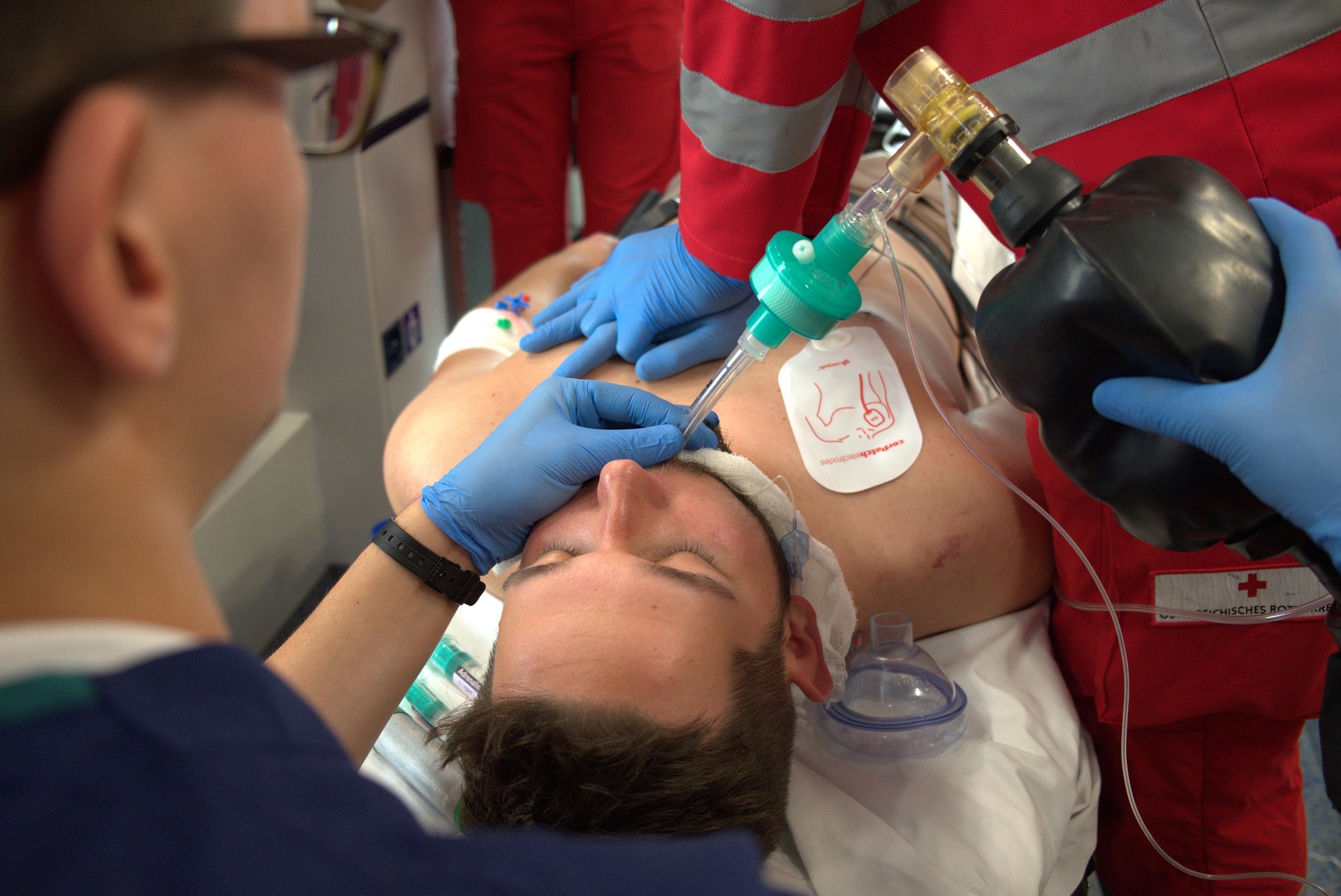
From February 26 After the amendments to the Order of the Minister of Health regarding the evaluation of calls for emergency medical services come into force, the Emergency Medical Service (GMPT) begins to provide services in an updated procedure. It is planned that the changes implemented in the service will help to more accurately assess the need for emergency medical help, and will also provide more opportunities to respond to cases where patients need immediate help.
Compared to the previous regulations, the changes affect a more detailed description of the patient's condition. Such detail will allow GMP dispatchers to more accurately identify the need for help when receiving a call. The service hopes that this will help in unifying the response time of GMP assistance throughout Lithuania, increase the effectiveness and efficiency of emergency aid, and allow the development of the service's consulting activities.
During the call, the GMP dispatcher, after listening to and collecting information about the patient, as well as assessing his condition according to the vital parameters over the phone, assigns a call to the appropriate response category or advises on a further treatment plan in order to provide the best possible assistance to the patient.
GMP calls are divided into four response categories depending on the severity of the patient's health condition:
Category I Response - Urgent call
Time of arrival:
This category includes:
Category II Response - Deferred Summons
Time of arrival: up to 60 min.
This category includes:
Category III Response - Forwarding call
After the conversation, the call is forwarded to other institutions or services.
This category includes:
Category IV Response - Advisory Call
During the interview, the patient is consulted by a GMP dispatcher or another health care specialist. In these cases, the GMP crew no ambulance is sent.
Important!
The caller must not know in advance which category the patient's condition is assigned to. The category is determined by the GMP dispatcher, after assessing the situation in detail and collecting the necessary information.
You can familiarize yourself with the new description of the provision of emergency medical services Here.
To call an ambulance, call the short number 112 or 113. You can find the contacts of the administration and departments by clicking on the link below.