
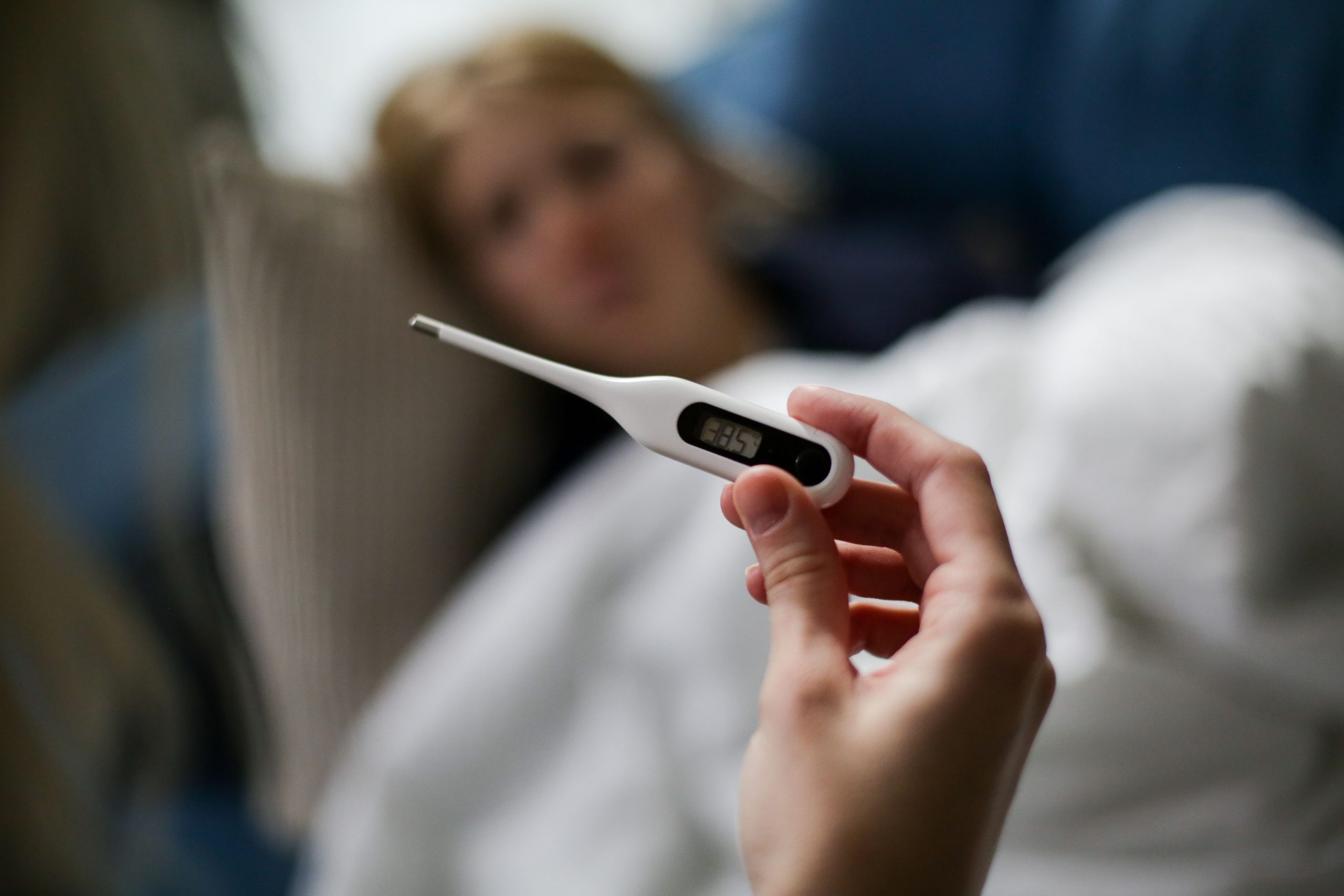
The emergency medical service reminds: in most cases, the symptoms of a cold, flu or COVID-19 can be treated at home or in consultation with a family doctor, but a sudden deterioration can signal a life-threatening complication. In such cases, it is important not to delay and call 112.
As the weather cools down and fall, the number of people with acute respiratory infections increases. A runny nose, cough, sore throat, fever, fatigue or general weakness can be characteristic of both a common cold and flu or COVID-19. It is not always possible to determine exactly what infection caused them based on the first symptoms alone.
However, the most important thing is not only to determine the name of the infection, but to notice dangerous changes in the state of health in time.
In most cases, emergency medical help is not required
If a person has a fever, cough, runny nose, sore throat, headache or muscle pain, but can breathe normally, is conscious, oriented and can drink fluids, there is usually no reason to call an ambulance because of these symptoms alone. If in doubt, you can always call 113.
If you feel symptoms, it is important to rest, drink enough fluids, monitor your condition and, if necessary, contact your family doctor. If you get sick, you should avoid close contact with other people, especially those for whom respiratory infections can cause a more severe course of the disease.
However, the situation changes when the symptoms become severe, the person's condition quickly worsens, or signs appear that may indicate a disorder of breathing, blood circulation or consciousness.
When not to delay and call 112?
It is necessary to call the GMP when the condition of the sick person becomes critical or there is a real threat to his life or health.
It is especially important not to delay if a person:
In such cases, you should not wait until the symptoms "go away on their own", and you should not try to take a person in a serious condition to a medical facility yourself if emergency medical help is needed. Call 112 and follow the dispatcher's instructions. The number 112 in Lithuania is open 24 hours a day and is intended for situations where there is a real threat to life or health and assistance must be provided immediately.
Special attention to risk groups
Respiratory infections are not equally dangerous for all people. The risk of serious complications is higher in the elderly, pregnant women, people with chronic diseases, and people living in social care and nursing facilities.
Influenza risk groups include people aged 65 and older, pregnant women, those suffering from chronic diseases, residents of social care and nursing facilities, and health care workers. In these groups, influenza can cause a more severe course of the disease, complications or exacerbation of chronic diseases.
Therefore, it is important for people in risk groups not only to monitor the temperature, but also to assess the general well-being and its changes. If a person becomes unusually weak, begins to suffocate, his consciousness is disturbed, chest pain or other dangerous symptoms appear, help should be sought immediately.
The most important thing is to recognize a dangerous condition and call for help
The degrees of fever or the intensity of the cough do not always indicate how dangerous the person's condition is. It is much more important to pay attention to how a person breathes, whether he remains conscious and oriented, whether he can drink, move and perform normal actions, whether his condition worsens.
People who care for children, elderly or chronically ill should be especially careful. Sometimes the patient himself does not realize that his condition has become dangerous, so the attention of those around him can be very important.
A cold, flu or COVID-19 usually does not start as a critical condition. However, when a person begins to suffocate, his consciousness is disturbed, severe chest pain appears or the condition suddenly worsens, the most important thing is not to try to make a diagnosis at home, but to call for help as soon as possible. In such situations, every minute can be important, the ambulance service points out.
What is important to remember?
A cold, flu or COVID-19 does not in itself mean that you need to call GMP. However, a serious or rapidly deteriorating human condition is a signal immediately.
If there is a real threat to a person's life or health, call 112. The General Help Center accepts a request for help and transmits information to the relevant emergency service, and the GMP dispatcher additionally assesses the situation and provides the necessary instructions.
Recognize dangerous symptoms. Don't delay. in a critical condition - 112.
To call an ambulance, call the short number 112 or 113. You can find the contacts of the administration and departments by clicking on the link below.